
Exploring Google's Innovative XR Projects at the Venice Film Festival
Explore Google's XR projects unveiled at the Venice Film Festival.
On this page 8 sections
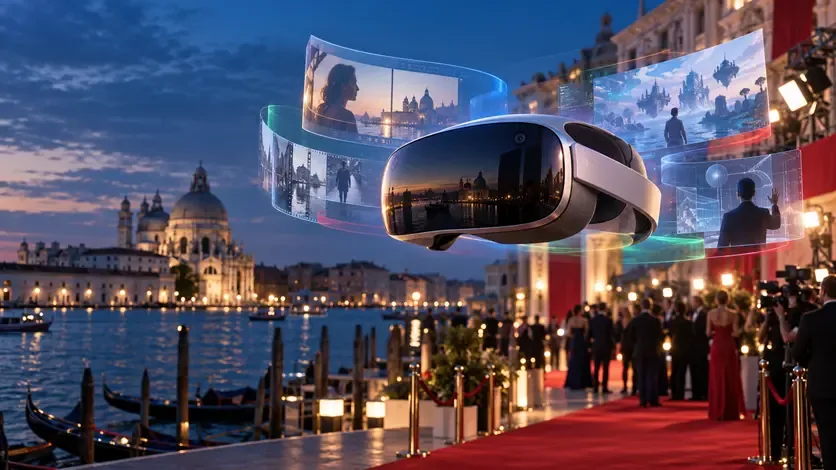
During the 83rd Venice International Film Festival, Google’s 100 ZEROS team unveiled three innovative Extended Reality (XR) projects that integrate cutting-edge technologies with storytelling. These projects highlight the potential of XR in filmmaking, emphasizing interactive experiences and the use of AI to enhance viewer engagement.
Key takeaways
- Google’s 100 ZEROS team collaborates with filmmakers to explore emerging technologies in cinema.
- The projects include NEVATARS, Galápagos: The Last Eden, and Sedona, each showcasing unique XR storytelling techniques.
- Conversational AI and spatial film techniques are utilized to create immersive viewer experiences.
- The initiatives indicate a shift in filmmaking, focusing on audience interaction and the future of storytelling.
- XR technology has the potential to redefine how stories are told in cinema.
Introduction to Google’s 100 ZEROS Initiative
Google’s 100 ZEROS initiative is a collaborative effort aimed at integrating advanced technologies into the film industry. This team works alongside filmmakers to explore how emerging technologies can enhance storytelling and audience engagement. By focusing on XR, Google aims to push the boundaries of traditional filmmaking, allowing for more immersive and interactive experiences.
The Projects Unveiled
At the Venice Film Festival, three notable XR projects were presented:
- NEVATARS: This mixed-reality animated short, created by Andy Serkis, features interactive storytelling through Gemini-powered conversations. It invites viewers to engage with the narrative actively.
- Galápagos: The Last Eden: Narrated by actress Margot Robbie, this immersive experience brings nature to life, allowing viewers to interact with a digital version of Charles Darwin, powered by Gemini.
- Sedona: A psychological thriller teaser developed by Asylm Studios, utilizing Google’s 2D-to-3D auto-spatialization technology to create a suspenseful experience directly on YouTube.
Technological Innovations in Storytelling
The integration of conversational AI and spatial film techniques marks a significant advancement in how stories are told. These technologies enhance viewer engagement by creating more interactive and personalized experiences. For instance, NEVATARS uses AI to facilitate conversations that adapt based on viewer choices, providing a unique narrative experience.
How does conversational AI enhance storytelling?
Conversational AI allows for dynamic interactions within the narrative, making the viewer feel like an active participant. This technology can adapt the story based on user input, creating a more engaging and personalized experience.
What is spatial film technology?
Spatial film technology involves the use of 3D stereoscopic depth to create immersive environments. This technique enhances the visual experience, pulling viewers deeper into the story.
Why This Matters
The introduction of XR technology in filmmaking has significant implications for the future of cinema. As audiences increasingly seek interactive and immersive experiences, these technologies offer new ways to engage viewers. The projects showcased at the Venice Film Festival exemplify how XR can redefine storytelling, moving beyond traditional narratives to create participatory experiences.
How can XR technology redefine storytelling?
XR technology allows for a blend of physical and digital storytelling, creating environments where viewers can interact with the narrative. This shift could lead to new genres and forms of storytelling that prioritize audience participation.
What are the implications for filmmakers?
Filmmakers can leverage these technologies to create innovative content that resonates with modern audiences. This evolution in storytelling can attract new viewers and enhance the overall cinematic experience.
Frequently asked questions
What is Google’s 100 ZEROS initiative?
The 100 ZEROS initiative is a Google project that collaborates with filmmakers to explore and implement emerging technologies in storytelling.
What types of projects were presented at the Venice Film Festival?
Three XR projects were unveiled: NEVATARS, Galápagos: The Last Eden, and Sedona, each showcasing innovative storytelling techniques.
How does NEVATARS utilize AI?
NEVATARS employs conversational AI to create interactive storytelling experiences, allowing viewers to engage with the narrative actively.
What role does Margot Robbie play in Galápagos: The Last Eden?
Margot Robbie serves as the narrator for Galápagos: The Last Eden, enhancing the immersive experience of the project.
How can filmmakers benefit from XR technology?
XR technology provides filmmakers with new tools to create engaging, interactive content that can attract diverse audiences and redefine traditional storytelling.
Conclusion
The projects showcased at the Venice Film Festival represent a significant step forward in the integration of technology and storytelling. As XR technology continues to evolve, filmmakers and audiences alike should stay informed about its developments and potential applications in cinema.
Sources
Keep reading
 Exploring New App Experiences on the iPhone Duo: A Developer's Perspective
Discover the innovative app experiences on the iPhone Duo.
Exploring New App Experiences on the iPhone Duo: A Developer's Perspective
Discover the innovative app experiences on the iPhone Duo.
 How to Download Music from Public URLs Legally and Easily
Learn how to download music from public URLs legally and easily.
How to Download Music from Public URLs Legally and Easily
Learn how to download music from public URLs legally and easily.
 Exploring New Gemini Tools for Small Business Owners
Explore Gemini's new tools designed for small business owners.
Exploring New Gemini Tools for Small Business Owners
Explore Gemini's new tools designed for small business owners.

